
Leading Equipment for Deadwood Removal to Simplify Yard Maintenance
Choose from the most effective products that streamline deadwood removal and enhance your outdoor space's appearance.
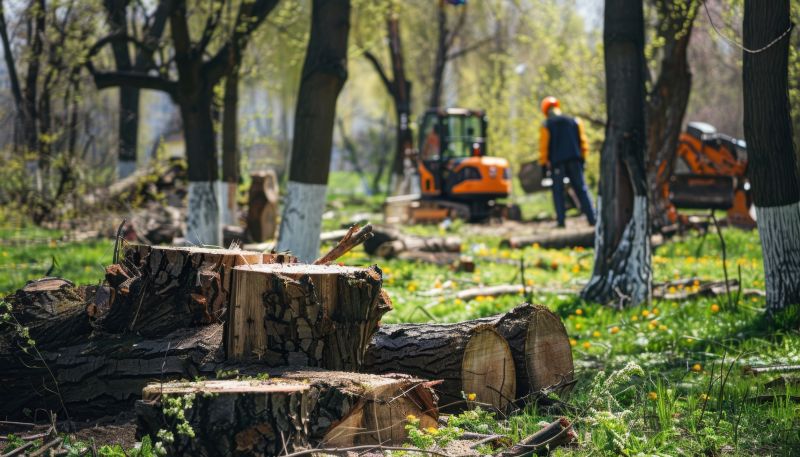 Removing deadwood from trees is an essential task for maintaining tree health and safety, especially in areas prone to storms or heavy winds. Deadwood can pose risks by falling unexpectedly or causing damage to property and people. To effectively manage this, a variety of tools and products are available, each suited to different types of deadwood removal tasks. From handheld pruners to powered chainsaws, selecting the right equipment can make the process safer and more efficient. Proper knowledge of the tools and techniques involved ensures that deadwood is removed carefully, minimizing stress on the tree while reducing hazards in the surrounding environment.
Top Overall Option
Multi-Purpose Tree Pruning Kit
A versatile pruning kit equipped with a range of manual tools, including pruning shears, loppers, and a small saw, designed for precise deadwood removal. Its ergonomic handles and durable blades make it suitable for various tree sizes and types, providing control and comfort during use.
Types of Products For Deadwood Removals
Manual Pruning Shears
Ideal for trimming small dead branches and fine pruning tasks, offering precision and control.
Loppers
Suitable for cutting medium-sized deadwood, providing increased leverage for easier cuts.
Pole Pruners
Extendable tools designed to reach higher branches safely without the need for ladders.
Chainsaws
Powerful equipment for removing large dead branches or sections of deadwood, available in gas and electric models.
Reciprocating Saws
Versatile power tools capable of handling tough deadwood removal with various blade options.
Hand Saws
Traditional tools for smaller or precise cuts on dead branches and limbs.
Grappling Hooks
Tools for grabbing and removing large, heavy deadwood pieces from trees or the ground.
Tree Climbing Gear
Safety equipment like harnesses and ropes for accessing high deadwood safely.
Safety Gear
Protective equipment including gloves, goggles, and helmets to ensure safety during removal tasks.
Popular Choices
Popular for reaching and trimming smaller dead branches from ground level or low heights.
Favored for their portability and ease of use when handling medium to large deadwood sections.
Highly sought after for their ability to reach high branches without climbing, making deadwood removal safer.
Trusted for their strength and leverage in cutting thicker dead branches.
A classic choice for small-scale deadwood trimming with precise control.
Effective for managing large deadwood pieces, especially when combined with climbing gear.
Popular safety gear to protect during active deadwood removal tasks.
Preferred for their versatility and cordless operation in tough deadwood situations.
When choosing products for deadwood removal, factors such as the size and location of the deadwood, the type of tree, and the user's experience level should be considered. For larger, hard-to-reach branches, powered tools like pole saws or chainsaws are often preferred, while smaller deadwood can be managed with manual pruning shears or loppers. Safety gear, including gloves, eye protection, and helmets, is also crucial for preventing injuries during the removal process. Additionally, selecting products with ergonomic designs can help reduce fatigue during extended use.
Proper maintenance and handling of tools are vital for ensuring safety and longevity. Regularly inspecting equipment for damage, sharpening blades, and following manufacturer instructions can improve performance and reduce the risk of accidents. Whether managing a few dead branches or undertaking a large-scale tree cleanup, having the right products on hand can streamline the process and contribute to healthier, safer trees and surroundings.
Key Buying Considerations
- Size and type of deadwood to determine the appropriate tool or combination of tools.
- Reachability of dead branches, especially those high in the tree, influencing the need for pole tools or climbing gear.
- Power source preferences, such as electric, battery-powered, or gas-powered equipment, based on convenience and use frequency.
- Ergonomics and comfort of handles to reduce fatigue during extended use.
- Safety features like blade guards, anti-vibration systems, and safety switches to prevent accidents.
- Blade and tool durability, ensuring they can handle tough deadwood without frequent replacements.
- Weight of tools, especially for extended use or overhead work, to minimize strain.
- Ease of maintenance, including sharpening and cleaning, to prolong tool life.
- Compatibility with other tools or attachments for versatile deadwood management.
- Budget considerations while balancing quality and durability for long-term use.
- Environmental conditions, such as moisture or dirt, which may influence tool choice and maintenance.
- User experience level, selecting tools that match the operator’s skill to ensure safety and efficiency.
- Availability of replacement parts and accessories for ongoing maintenance.
- Storage options for tools to keep equipment organized and protected.
This page contains affiliate links. We may earn a commission if you make a purchase through these links, at no additional cost to you.