Get Deadwood Removal in Greenwich, CT
Deadwood Removal services offered by local contractors help Greenwich property owners clear dead or overgrown trees, shrubs, and branches to improve safety, appearance, and property value.
Property owners in Greenwich, CT, considering deadwood removal often explore options to maintain the safety and appearance of their outdoor spaces. Removing hazardous or decayed trees and branches can help prevent potential damage during storms, reduce the risk of injury, and enhance the overall curb appeal of a property. Whether planning a landscaping project or simply seeking to keep the yard safe, understanding the available local services can make the process smoother and more manageable.
For those evaluating different options, connecting with experienced local contractors can provide valuable insights into the best approaches for deadwood removal. Comparing service providers in Greenwich, CT, allows property owners to find professionals who understand the unique needs of the area’s landscape and can deliver effective solutions. Continuing to explore available services can help ensure that the work aligns with specific property requirements and personal preferences.
- Deadwood Removal - needed when fallen branches and debris accumulate in yards across Greenwich neighborhoods.
- Deadwood Removal - required after storms or strong winds cause tree branches to break and pose hazards.
- Deadwood Removal - necessary for maintaining safety and aesthetics in wooded properties around Stamford.
- Deadwood Removal - important for preparing trees for seasonal pruning or health assessments in nearby towns.
- Deadwood Removal - useful when clearing overgrown areas to prevent pest infestations and improve property appearance.
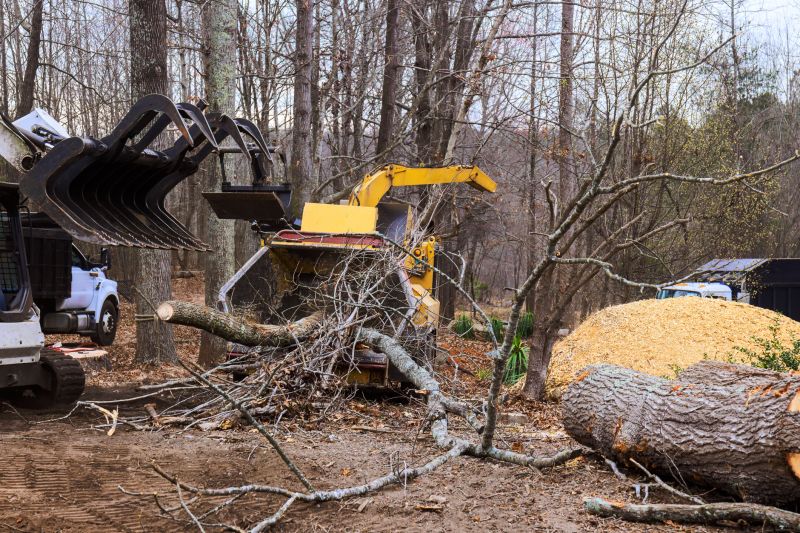
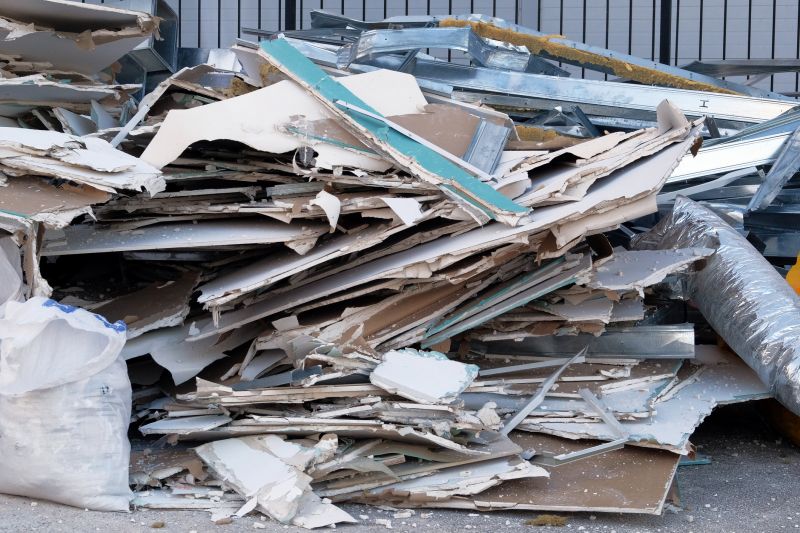

Deadwood removal services involve the careful clearing of fallen, damaged, or dead trees and branches from a property. These professionals assess the health and stability of trees to determine the safest way to remove hazardous limbs or entire trees that pose a risk to structures, vehicles, or people. The process typically includes cutting away dead or dying wood, trimming overgrown branches, and safely disposing of debris. Proper deadwood removal not only enhances the appearance of a property but also helps prevent accidents caused by falling limbs during storms or high winds.
Many property owners turn to deadwood removal services to address specific problems that can arise from unmanaged trees and branches. Dead or decaying wood can attract pests, foster disease, or cause further damage if left untreated. Overgrown branches may interfere with power lines, block sunlight, or damage rooflines and gutters. Removing deadwood can improve the overall health of trees, reduce the risk of falling limbs, and maintain the safety and aesthetic appeal of the property.
Deadwood removal is commonly needed for various types of properties, including residential homes, commercial buildings, and multi-family complexes. Homeowners often seek these services to keep their yards safe and visually appealing, especially after storms or during seasonal pruning. Commercial property managers may rely on deadwood removal to ensure safety around office parks, retail centers, or industrial sites. These services are also useful for properties with mature trees where regular maintenance helps prevent larger, more costly issues down the line.
Knowing when to hire deadwood removal professionals can make a significant difference in maintaining a safe and attractive property. Signs that indicate the need for removal include visible dead or broken branches, leaning trees, or trees with hollowed-out sections. If trees or branches are close to power lines, structures, or frequently used pathways, it’s advisable to have a professional evaluate and handle the removal. Service providers in the area can help property owners identify problem areas and provide the necessary work to keep their property safe and well-maintained.
The overview below groups typical Deadwood Removal projects into broad ranges so you can see how smaller, mid-sized, and larger jobs often compare in Greenwich, CT.
In many markets, a large share of routine jobs stays in the lower and middle ranges, while only a smaller percentage of projects moves into the highest bands when the work is more complex or site conditions are harder than average.
Smaller Deadwood Removal - Typical costs for removing a few dead or hazardous branches from trees range from $250 to $600. Many routine jobs fall within this middle range, especially for smaller trees or limited areas. Fewer projects reach the higher end of this spectrum unless additional services are needed.
Moderate Deadwood Removal - For larger trees or more extensive deadwood removal, costs generally range from $600 to $1,500. These projects often involve multiple branches or larger sections of deadwood, which are common in mature trees in Greenwich neighborhoods. Larger, more complex jobs can sometimes exceed this range.
Comprehensive Deadwood Clearing - Complete removal of deadwood from entire trees or multiple trees typically costs between $1,500 and $3,000. Many service providers handle these projects regularly within this band, especially in residential landscapes with mature trees. Larger or more intricate jobs may push beyond this range.
Full Tree Replacement or Major Removal - When dead trees need to be fully removed and replaced, costs can start at $3,000 and go upwards of $5,000 or more. Such projects are less common and usually involve significant planning and equipment, with local contractors providing quotes based on the scope of work.
Actual totals will depend on details like access to the work area, the scope of the project, and the materials selected, so use these as general starting points rather than exact figures.
Tree Trimming and Pruning - local contractors often perform tree trimming that requires careful removal of dead or hazardous branches, similar to deadwood removal in trees.
Storm Damage Cleanup - removing fallen or broken branches after storms involves similar skills and tools used in deadwood removal projects.
Land Clearing Services - clearing overgrown or brush-covered land often involves removing dead or unwanted wood and debris, requiring planning and equipment comparable to deadwood removal.
Firewood Collection and Processing - gathering and preparing dead or fallen trees for firewood involves identifying and safely removing deadwood, aligning with deadwood removal techniques.
Tree Cabling and Support - installing support systems for weak or dead branches requires understanding tree health and careful removal of hazardous deadwood.
Landscape Debris Removal - clearing yard waste and fallen branches involves similar planning and use of tools as deadwood removal services by local contractors.

When comparing contractors for deadwood removal services, it’s important to consider their experience with similar projects. Homeowners should look for service providers who have a proven track record of handling tree removal tasks comparable to their specific needs. This can include understanding the types of trees involved, the complexity of the site, and any potential challenges that might arise during the process. An experienced local contractor will be better equipped to assess the situation accurately and recommend appropriate solutions, ensuring the work is completed efficiently and effectively.
Clear, written expectations are essential when evaluating potential service providers. Homeowners should seek contractors who can provide detailed descriptions of the scope of work, the methods they plan to use, and any necessary preparations or follow-up steps. Having this information in writing helps prevent misunderstandings and ensures that both parties are aligned on what will be accomplished. This transparency also allows homeowners to compare different options more objectively and choose the contractor who best matches their project requirements.
Reputable references and good communication are key factors in selecting reliable local contractors. Homeowners should ask for references from previous clients who had similar deadwood removal projects, and follow up to learn about their experiences. Additionally, a contractor’s responsiveness and clarity in communication can indicate their professionalism and commitment to customer service. Service providers who are easy to reach, transparent, and willing to answer questions can help ensure the project proceeds smoothly. It’s worth noting that this site introduces homeowners to local options, helping them compare and connect with qualified service providers, but does not perform the work itself.
Property owners in Greenwich, CT use Deadwood Removal services for practical projects around their homes and businesses. This guide focuses on everyday jobs and straightforward project options.
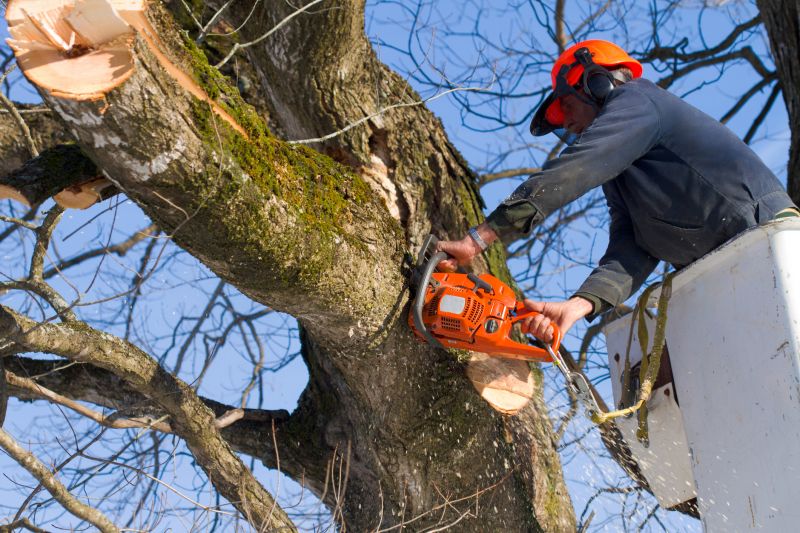
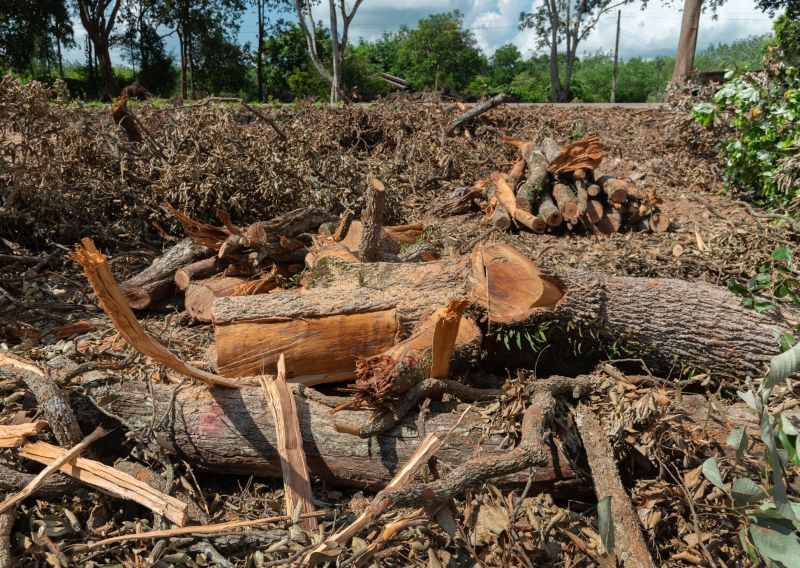
Deadwood removal is a common task for property owners in Greenwich, CT who need to clear fallen or hazardous trees from their yards. Whether after a storm or as part of regular maintenance, homeowners often seek the help of experienced contractors to safely and efficiently remove dead or decaying trees that could pose safety risks or damage to structures. Local service providers can handle a range of situations, from removing a single problematic tree to clearing large amounts of debris after severe weather events.
In addition to storm cleanup, property owners might look for deadwood removal when preparing for landscaping projects or property upgrades. Removing dead or dying branches can improve the overall appearance of a yard and prevent potential damage to fences, driveways, or other structures. Local contractors can assist with these projects, offering professional removal services that help maintain a safe, attractive outdoor space in Greenwich, CT.
What is deadwood removal? Deadwood removal involves clearing out fallen or broken branches and dead trees from a property to improve safety and appearance.
Why should I consider professional deadwood removal services? Local contractors have the tools and expertise to safely and efficiently remove deadwood, reducing potential hazards around the property.
How can deadwood removal enhance my property’s landscape? Removing dead branches and trees can improve the overall health of trees, prevent damage to structures, and boost curb appeal.
What types of deadwood removal services are available? Services may include pruning, branch removal, and complete tree removal, tailored to meet the specific needs of the property.
How do I find the right local contractor for deadwood removal? Contacting a trusted lead generation service can help connect with experienced service providers in Greenwich, CT, and nearby areas.
Improve Curb Appeal - Removing dead or overgrown trees can enhance the appearance of a property and make outdoor spaces more inviting.
Ensure Safety - Clearing out deadwood reduces the risk of falling branches or trees, protecting residents and visitors.
Prepare for Seasonal Changes - Deadwood removal helps maintain healthy trees and prepares landscapes for upcoming seasons.
Create Space for Landscaping - Removing unwanted dead trees and branches opens up areas for new planting or outdoor projects.
If you are thinking about Deadwood Removal for a property in Greenwich, CT, this guide is meant to help you understand the work, the typical project types, and how different options might fit your plans.
When you are ready, you can use the quote form on this page to share a few details about your project. From there, local pros can review the basics and respond with options that match what you have in mind.